Norland Santana: A Premium Typeface for Handmade Branding
I was sitting at my desk late Tuesday night, surrounded by half-cut vinyl sheets and a stack of unsold candle labels, when I realized my branding felt… flat. I had beautiful soy wax jars and lovely packaging, but the typography on the labels just wasn’t connecting with the cozy, artisanal vibe I wanted to project. I needed something that felt elegant but approachable, something that could bridge the gap between rustic charm and modern sophistication. That’s when I pulled up Norland Santana from Script Amp Fonts. It wasn’t just a font; it was the missing piece of my product design puzzle.
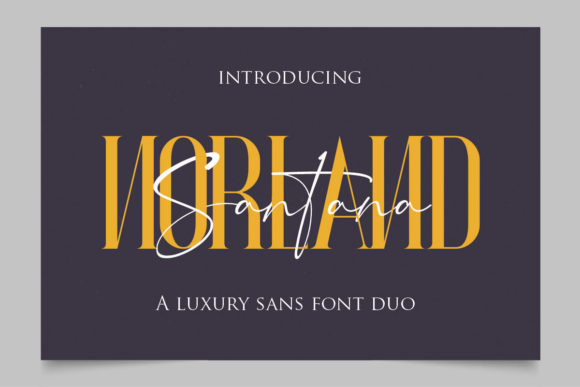
If you are a crafter, a printable creator, or anyone who sells handmade goods online, you know that visual appeal is everything. Customers scroll past hundreds of items in seconds. The right typeface can stop that scroll. Norland Santana is a spectacular duo font, combining a refined serif with a flowing script. It is incredibly versatile, fitting a wide pool of designs and elevating them to the highest levels. Here is how this creative font transformed my shop materials, from physical labels to digital downloads.
The Visual Personality of Norland Santana
Before diving into specific products, it helps to understand what makes Norland Santana tick. Visually, it has a distinct personality. The serif component provides structure, stability, and a touch of classic elegance. It feels grounded and trustworthy. The script counterpart adds movement, warmth, and a personal, handwritten touch without sacrificing legibility. This duality is rare. Many script fonts are too chaotic for small labels, and many serifs feel too stiff for boutique packaging.
When you look at Norland Santana, you see a font that whispers rather than shouts. It has a modern typography feel that works well in editorial design contexts but translates perfectly to physical merchandise. The curves are smooth, and the letterforms are balanced. This balance is crucial for makers because it means the font remains readable even when scaled down for small sticker sheets or blown up for large welcome boards. It exudes a mood of curated quality, which is exactly what customers associate with premium handmade products.
Bringing Labels and Packaging to Life
Let’s talk about the practical side of selling. For years, I struggled with finding a font for my product labels that didn’t look like a default Word document. When I started using Norland Santana for my candle labels, the difference was immediate. I used the script style for the product name, such as "Lavender & Sage," letting the letters flow naturally. Then, I switched to the serif style for the details like weight, scent notes, and care instructions.
This combination creates a hierarchy that guides the customer’s eye. The script grabs attention, while the serif delivers information clearly. Because Norland Santana is a premium font, the vector quality is sharp. Whether I am printing directly onto kraft paper tags or sending files to a professional printer for foil-stamped boxes, the edges remain crisp. There is no pixelation, no blurriness. This clarity affects perceived quality. When a customer sees clean, precise typography on a boutique tag, they subconsciously assume the product inside is made with the same care.
I also tested this font on mugs and tote bags using heat transfer vinyl. The script swashes added a decorative flair to simple black cotton totes, making them look like high-end fashion accessories rather than generic promotional items. For signage, such as a farmhouse-style welcome board for a pop-up market, the serif provided the necessary weight to be read from a distance, while the script added a welcoming touch. The adaptability of Norland Santana across different mediums—digital mockups, printed cards, and physical merchandise—is its greatest strength.
Elevating Digital Downloads and Printables
For those of us who sell digital assets, such as planner pages, wedding invitations, or SVG cut files, typography is the entire product. You cannot hide behind poor layout choices. Norland Santana shines in these spaces. I recently created a set of minimalist wall art prints featuring motivational quotes. Using the script for the main word and the serif for the supporting text gave the designs a gallery-worthy aesthetic.
When designing invitation suites, the emotional appeal of the font matters deeply. Weddings and events are highly personal. Norland Santana strikes a balance between formal and friendly. It works beautifully for bridal shower invitations, birthday party cards, and holiday greeting cards. I paired it with a clean sans serif font for addresses and logistical details, creating a harmonious contrast that kept the design organized yet stylish. This practice of font pairing is essential for brand consistency. By sticking to Norland Santana for all my primary headings, my shop began to have a recognizable visual identity. Customers started recognizing my listings before they even read the title.
Readability and Cutting Machine Considerations
As a Cricut and Silhouette user, I pay close attention to how fonts behave when cut. Some script fonts have delicate connections that break easily if the vinyl is too thin or the weeding process is too aggressive. Norland Santana is robust. The ligatures and alternates are designed well, reducing the risk of fragile points breaking during cutting. However, for very small stickers or tiny product labels, I always test the smallest size first. While the font is legible, extremely fine script details might get lost on a 1-inch diameter circle. For larger formats like signs, shirts, or poster prints, it performs flawlessly.
When preparing listing images for your shop, ensure the font renders correctly in your mockup software. Sometimes, converting text to outlines can alter kerning slightly depending on the software version. Always double-check spacing. The beauty of Norland Santana lies in its generous spacing, which allows the letters to breathe. Crowding the text can ruin the elegant effect it is meant to create.
Licensing and Commercial Use
One of the most important aspects for any seller is understanding commercial font licensing. Before adding Norland Santana to your favorite creative projects, you must check the included styles, file formats, and license terms. Most premium fonts from Script Amp come with clear guidelines on how they can be used for selling physical products versus digital templates.
Typically, purchasing a commercial license allows you to use the font on physical goods you sell, such as candles, shirts, and stickers. It may also permit the creation of digital designs that are sold as finished products, like printables. However, redistributing the font file itself is almost never allowed. Always review the specific agreement for Norland Santana to ensure you are compliant. This protects your business and respects the work of the type designers. Knowing you are fully licensed gives you peace of mind to focus on creativity rather than legal worries.
Final Design Tips for Makers
- Mix Weights Strategically: Use the bold or heavy weights for headlines and the lighter weights for body text to create visual interest.
- Pair with Simplicity: Let Norland Santana be the star. Pair it with plain backgrounds or subtle textures. Avoid busy patterns that compete with the intricate details of the script.
- Test Color Contrasts: Ensure high contrast between the font color and your background. Dark script on light kraft paper looks stunning, as does white script on dark navy packaging.
- Utilize Alternates: If the font includes alternate characters or swashes, use them sparingly to add unique touches to logos or initial monograms.
Incorporating Norland Santana into my workflow did more than just change the look of my products; it changed how I think about design. It reminded me that typography is not just about words; it is about feeling. Whether you are designing seasonal craft supplies, professional stationery, or everyday home decor, investing time in selecting the right typeface pays off. Norland Santana offers the charm, versatility, and professionalism that today’s consumers expect. It is a tool that empowers makers to present their best work, turning simple items into cherished keepsakes.